

What emerges instead is an evolution of the CPA role toward higher-value activities that machines cannot easily replicate. Forward-thinking accounting professionals increasingly focus on developing these skills while leveraging automation to handle routine aspects of their http://kabirinfo.ca/governmental-accounting-meaning-objectives/ work. The most successful CPAs position themselves as technology strategists who can help organizations implement and optimize these tools rather than competing against them.
Invoice Processing (Accounts Payable Automation)

Work closely with your IT department to ensure seamless integration with existing systems and infrastructure. Their expertise is essential in addressing technical considerations, managing data security, and troubleshooting any issues that may arise. Were you aiming to speed up financial reporting or maybe improve data accuracy? Your key performance indicators (KPIs) should directly reflect these objectives. Your business needs will evolve, and your tech stack should be able to keep up. When implementing RPA, consider a phased approach that allows for incremental growth and https://www.bookstime.com/ adjustments along the way.
- Use insights from system reports to identify areas for improvement and expand automation to new processes over time.
- Automation can help enhance and speed it up by scanning, extracting, and analyzing data from invoices, reducing mistakes and freeing up accountants’ bandwidth.
- This technology offers a wide range of benefits that enable finance teams to operate more effectively.
- HighRadius stands out as a challenger by delivering practical, results-driven AI for Record-to-Report (R2R) processes.
- Many businesses have seen significant efficiency gains after implementing RPA, highlighting its impact on reducing processing times and errors.
- Practical process automation applications include risk assessments, security checks, data analysis and reporting, compliance processes as well as most other repetitive administrative activities.
Robotic Process Automation (RPA) in Aviation
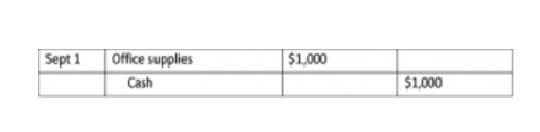
RPA can automate the tedious process of comparing data from different sources, such robotic accounting as bank statements and general ledgers. Bots can identify and flag discrepancies, ensuring data accuracy and reducing the risk of errors. This automation saves significant time and allows your team to focus on analyzing the results rather than manually compiling them. Explore HubiFi’s solutions for high-volume businesses to see how automated reporting can benefit your business. RPA is becoming increasingly important in modern accounting, offering a way to streamline processes and improve efficiency.
- RPA can help simplify tax preparation by automating data collection from various sources.
- Clean data is crucial for RPA systems to function effectively and deliver reliable results.
- Integrating your bank accounts is easy, and you can set up automation to categorize transactions.
- Accounting automation leverages artificial intelligence and robotic process automation (RPA) to revolutionize financial operations.
- Manual processes often lead to setbacks and inaccuracies, the consequences of which can be costly.
- Remember all those hours you spent verifying data or chasing down invoice discrepancies?
Natural Language Processing (NLP)
- If you decide to implement RPA, you need to evaluate multiple RPA solutions in the marketplace to identify which best fits best to your company.
- Let’s rewind time a bit and start the whole scene over, but with RPA installed.
- Here’s more about how automation and other technologies are revolutionizing finance and accounting work, as well as what you can do to stay relevant if you’re an accounting employee or job seeker.
- This shortens month-end and year-end closings, reduces vendor payment cycles, and empowers real-time bank reconciliations and reporting.
- Because of this, the company’s resources may be reallocated to other priorities.
Here are a few tips to help you successfully implement automated accounting software solutions. By adopting accounting automation software, companies gain speed, accuracy, and insight, transforming finance from a reactive function into a strategic driver of business growth. This module introduces learners to Intelligent Automation (IA), an advanced form of automation that combines Robotic Process Automation (RPA) with AI and machine learning to expand automation capabilities. Learners will explore IA’s core components and its role in enhancing traditional RPA, allowing automation of more complex tasks.
But the hidden costs from errors and inefficiencies make it more expensive over time. Automated accounting solutions can help you save money by reducing errors and improving efficiency. This makes it much easier to find the information you need when you need it.
- Ernst & Young reports that RPA can help financial services realize cost savings between 20%-60% of baseline FTE costs.
- Xero helps small businesses and SMEs manage their financial operations, including invoicing, expense tracking, payroll, and financial reporting.
- Founded in 2012 as ZenPayroll, Gusto has evolved to offer a comprehensive suite of tools that manage payroll, benefits, and compliance, serving over 400,000 businesses.
- However, many organizations have seen the flaw in this procedure and decided to automate their accounting processes by implementing robotic accounting.
- Robotic accounting is a form of robotic process automation (RPA) in the accounting field.
Intelligent financial automation solution
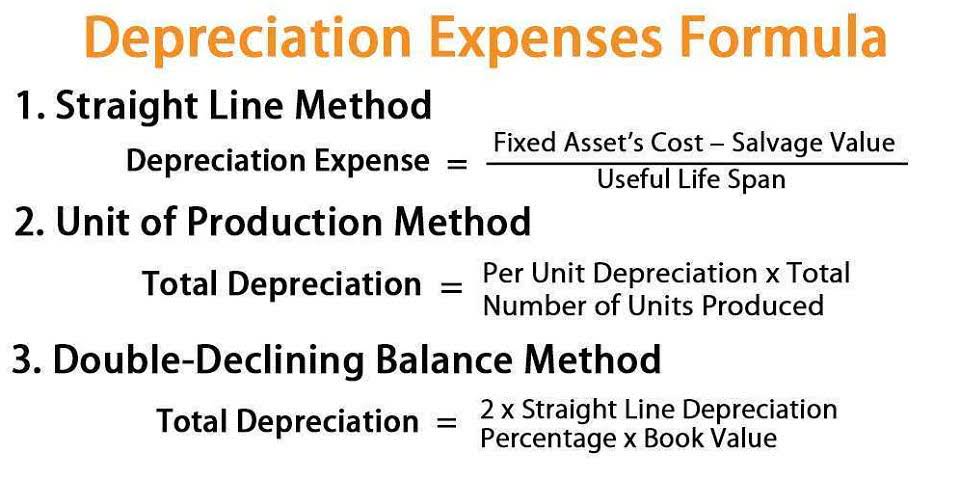
RPA ensures that payments are processed on time, establishing trusted relationships with vendors for accounts payable. For accounts receivable, automation helps businesses collect payments faster by automating reminders and follow-ups. Consequently, departments can achieve better financial planning and more predictable cash flows, as businesses can accurately track their payables and receivables with minimal human engagement.
Leave a Reply